A computer cannot slow down spontaneously
"My computer is slowing down!" - I frequently hear that from my friends. This is also a common theme among computer service technicians, across tech support teams, and on the internet forums.
The complaint is reasonable. The perceived speed of the system, the responsiveness, waiting for boot - everything seems to be slower after a while.
But, let's make a parallel: imagine your TV set deteriorate over time, making the picture smudgy or pixelized or just less bright over time? Or your oven cannot bake as it used to do before? Or your car just reduce maximum speed by 10% after each year of use?
Now, this must be irrational. Machines cannot automatically decline over time! Their characteristics stay the same (except if there an obvious malfunction). Machines cannot rot!
The truth is that a computer cannot magically slow down overnight. The processor frequency maintains the same number of ticks per second. It's software that is faulty. It's the constant updates, the need to support both new and legacy hardware, the tech debt, the support for older operating systems: those are the real culprits.
There is also another strong motive by companies, a need to deliberately slow down software, to fabricate the need to buy new software and hardware. So the consequence of "My computer is slowing down" is "I need a new computer". This is simply not true.
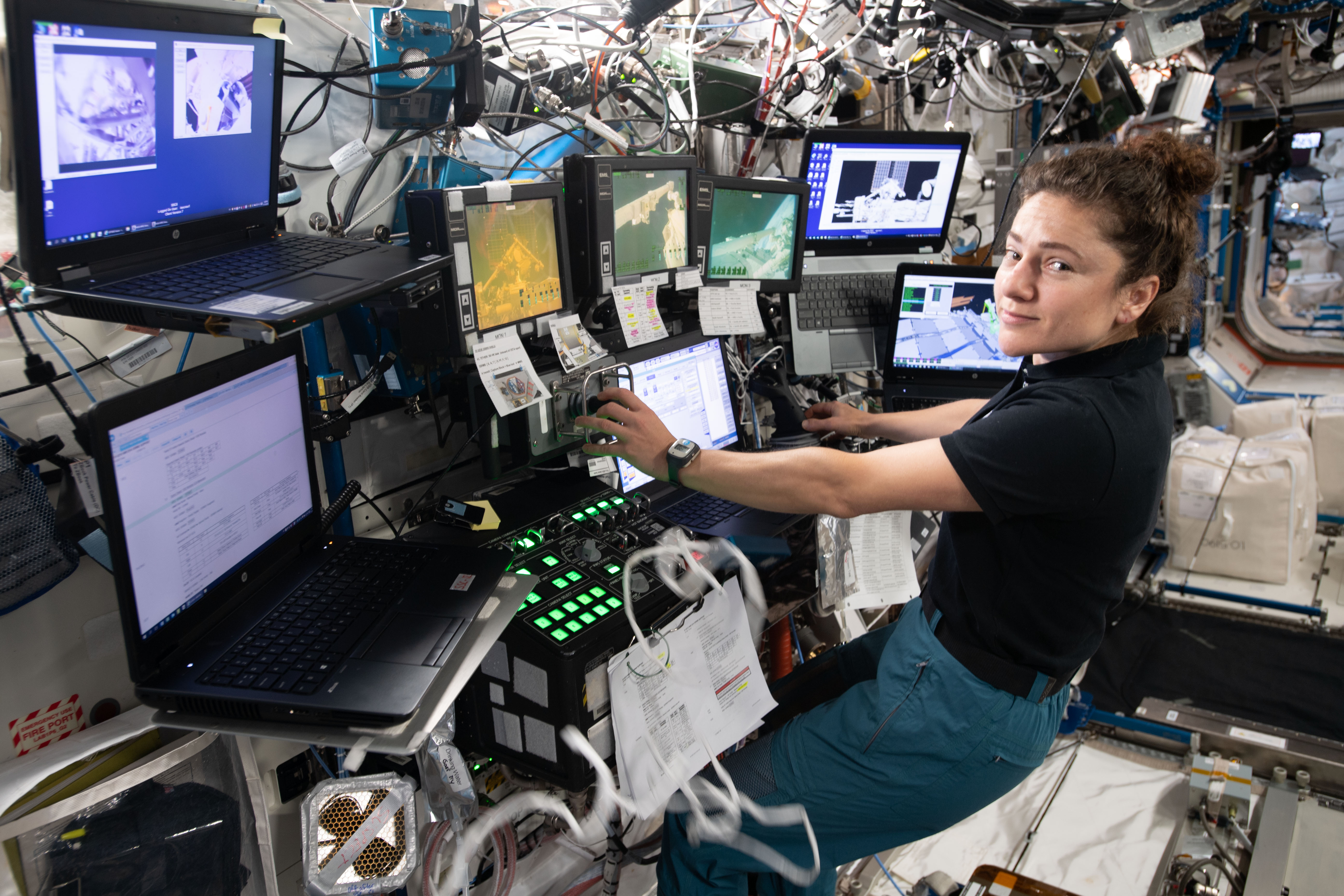
These are the computers used on the space station. Their software could not be updated, except maybe through periodical manual installations through external disc.
You might think of this as an extreme example; but the guys working on those machines are professionals that need their job to be done. They do not need expensive over-the-air updates that make a burden on their computers. They use local computer storage to store and load data, as it was meant to be when computers were invented. If they can successfully operate their computers without updates, why can't we?
Computers are already overpowered; it's the deliberate decision of software makers to slow them down with each update, eventually considering the machines obsolete. For example, a typical lifecycle of the corporate laptop is 3 (three!) years. You then throw away your "old" laptop and get a newer version with fresh installation, forgetting that each laptop has half of the periodic table's rare elements inside it, that will go into landfill.
Keep your computer with you as long as possible. Install free software, such as Linux. You will be surprised how stable and quick your "obsolete" suddenly becomes.
Continue reading
- I am available for product design projects.
Write to me at hi@mikajovicic.com - Subscribe to my newsletter